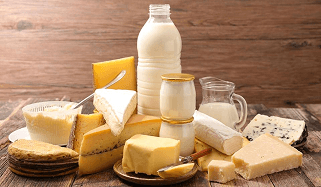
Nepal's Dairy Sector Focuses on Sustainable Growth
Sep 12, 2026 · 6 min read
Demand Is Rising Fast
Urban households are consuming more dairy than a decade ago, driven by income growth and a shift from loose milk toward packaged, branded products.
Meeting that demand responsibly means producing more without increasing waste proportionally. That is the central challenge for the sector.
Water Use in Processing
Cleaning and pasteurisation are the two stages that consume the most water. Equipment wash cycles now reuse water from earlier rinse stages instead of starting fresh.
Cows need roughly forty litres of clean water a day, so farms are priorititising rainwater harvesting and drip irrigation over pumping.
Reducing Waste
Sour milk and cream skimmed during standardisation used to go to waste. Much of it now goes into value-added products like ghee and paneer.
Packaging is moving in the same direction. Lighter cartons and recyclable material reduce what leaves the plant per litre sold.
Supporting Farmers
Sustainability that ignores the farmer does not hold. Our partners get a guaranteed price, on-time payment, and access to veterinary support and fodder advice.
That stability is what lets a farm invest in better cooling, cleaner housing, and healthier animals, which is where most efficiency gains actually come from.
Other Blogs
 Dairy Nutrition
Why Quality Matters: Understanding What Makes Good Milk
Fat content, protein, and purity all play a role. Here is how to recognize genuinely good milk for your family.
Sep 20, 2026 · 4 min read
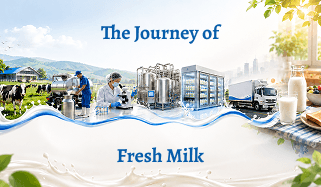
Farm StoriesHow the Cold Chain Keeps Milk Fresh
From collection centers to refrigerated trucks, see the unbroken cold chain behind every packet of Safal milk.
Jul 30, 2026 · 5 min read